Auna
Optimizing the billing cycle
Enterprise UX | Product Design | Process Visualization | Change Management | Stakeholder Engagement
2025
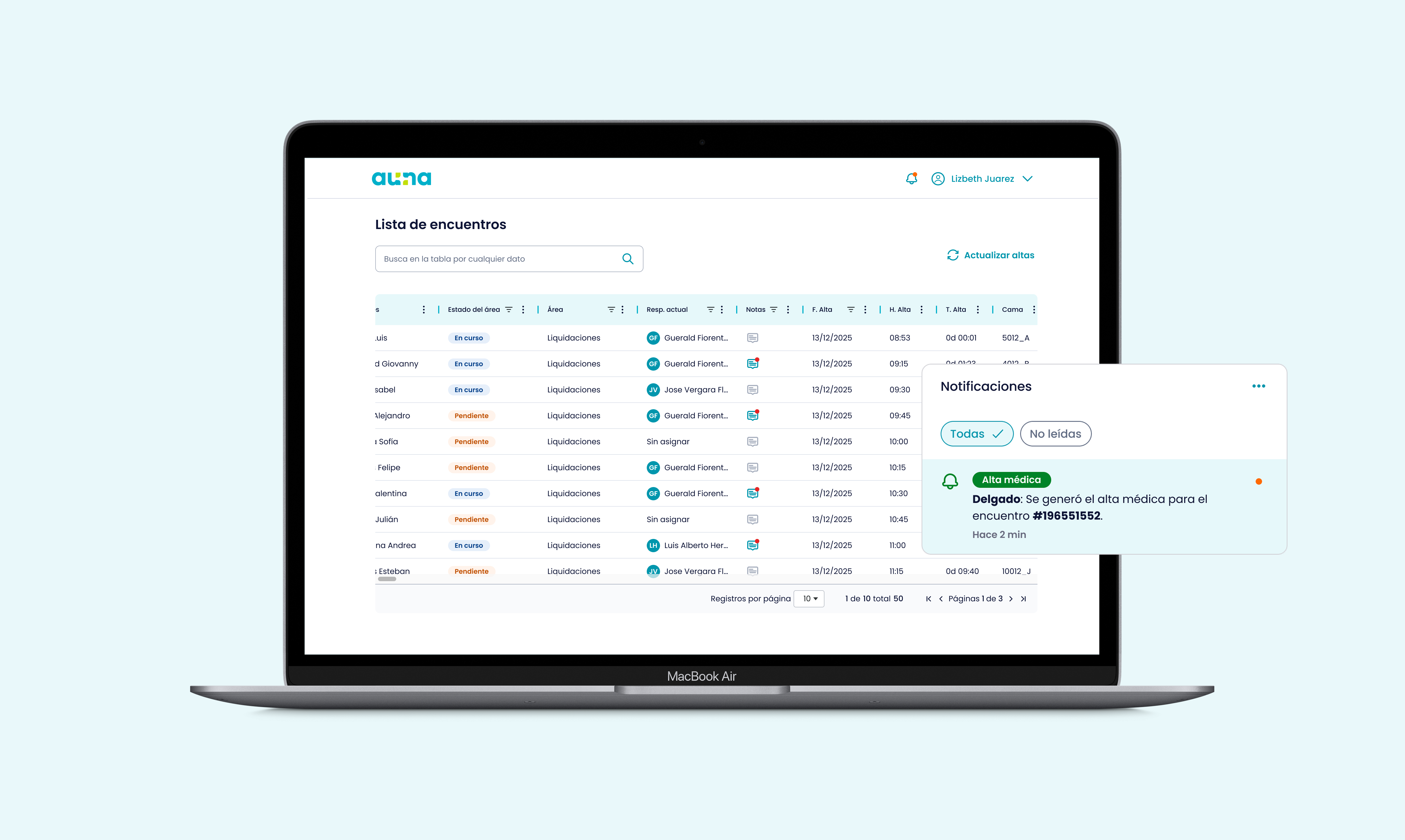
Context & Challenge
The invoicing process for inpatient accounts spans over more than ten departments, with requirements varying depending on the service provided, the insurance company, and the clinic where care was delivered. The complexity, lack of standardization, and unclear ownership across departments created frequent delays, rework, and inefficiencies.
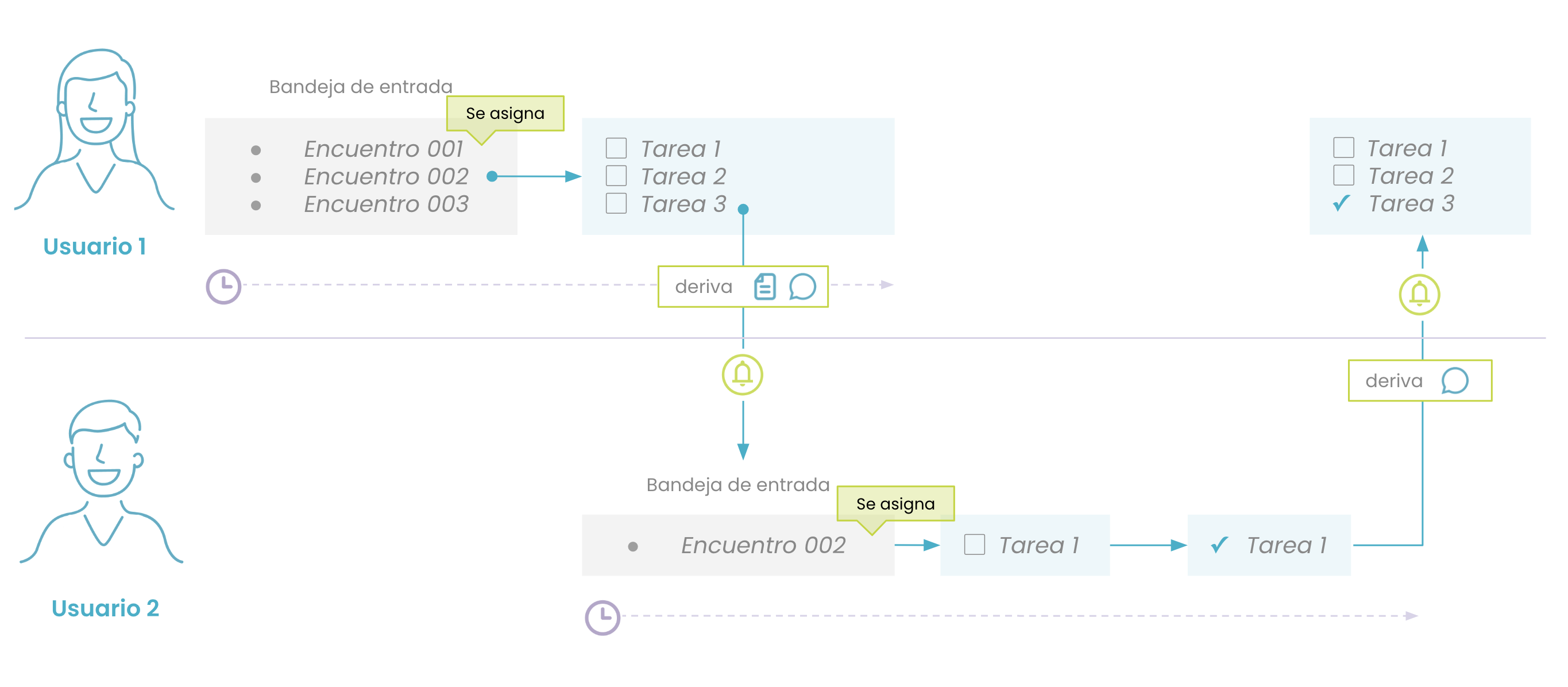 Image 1: To-be basic flow between users from two different
departments
Image 1: To-be basic flow between users from two different
departments
Main Objective
Develop a tool to track responsibility for each account, centralize communication, monitor timelines, and identify root causes of delays. The ultimate goal is to provide managers with the visibility needed to optimize processes and reduce bottlenecks.
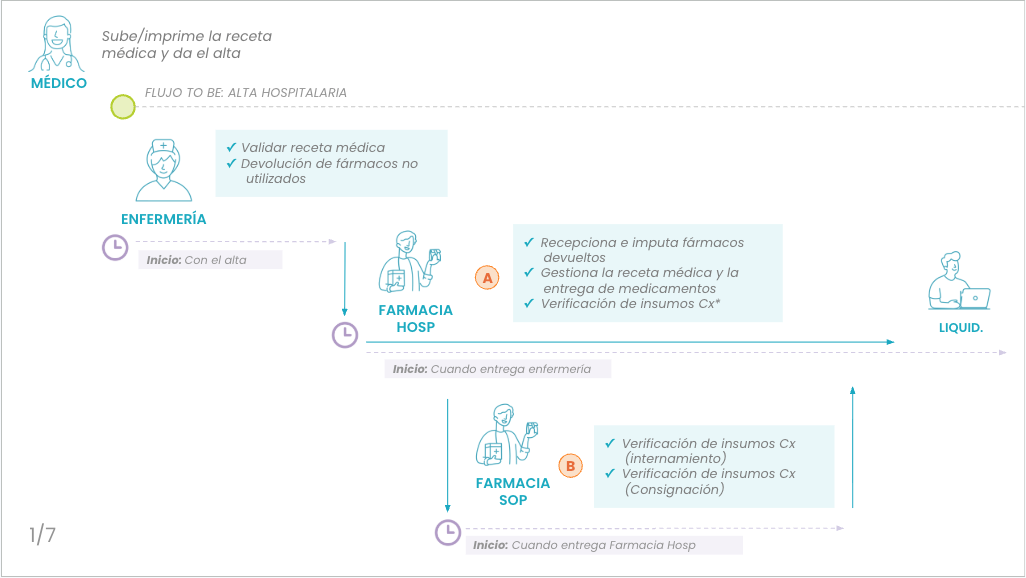 Image 2: Example of high-level workflow between multiple areas
My Role & Responsibilities
• Engage stakeholders across departments to uncover processes, needs, and
opportunities.
• Facilitate working sessions to align perspectives, surface conflicts, and build shared
ownership.
• Lead the UX design of the digital tool: map workflows, define user journeys, and create and
test prototypes.
• Own the translation of UX decisions into final interfaces, aligning with cross-functional
partners throughout the process.
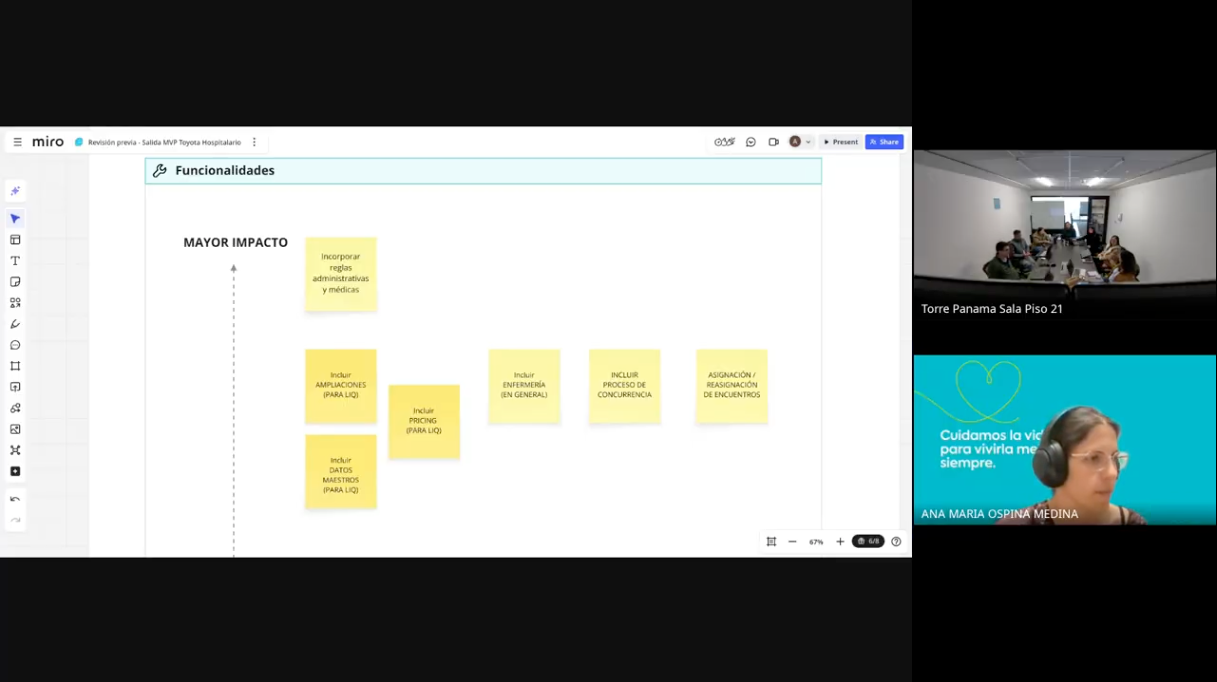 Image 3: Prioritization Workshop
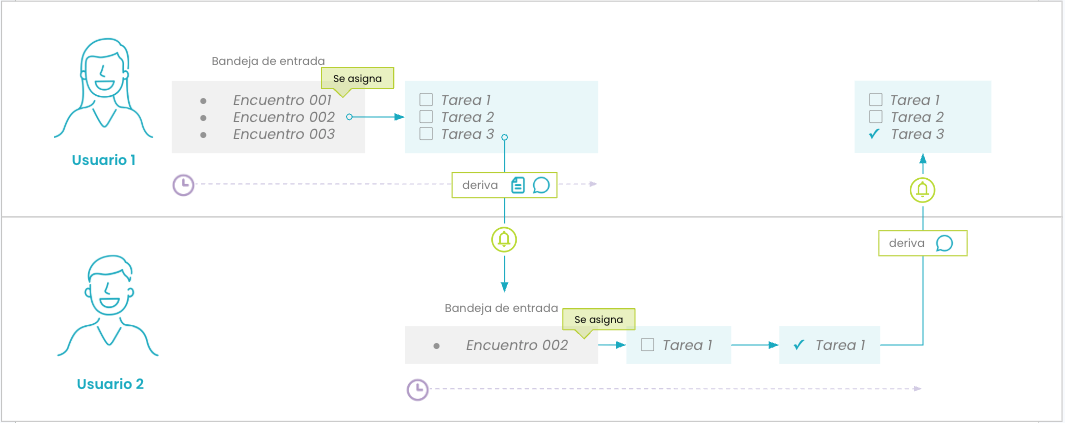 Image 4: MVP's Basic flow
Approach & Key Actions
• Conduct process mapping workshops with each department to uncover workflows, dependencies, and
pain points.
• Identify systemic gaps, such as undefined responsibilities and process steps prone to
escalation.
• Facilitate cross-team discussions to foster accountability and propose improvements in their
current processes.
• Advocated for an MVP approach, working to drive adoption despite initial resistance by
emphasizing incremental value.
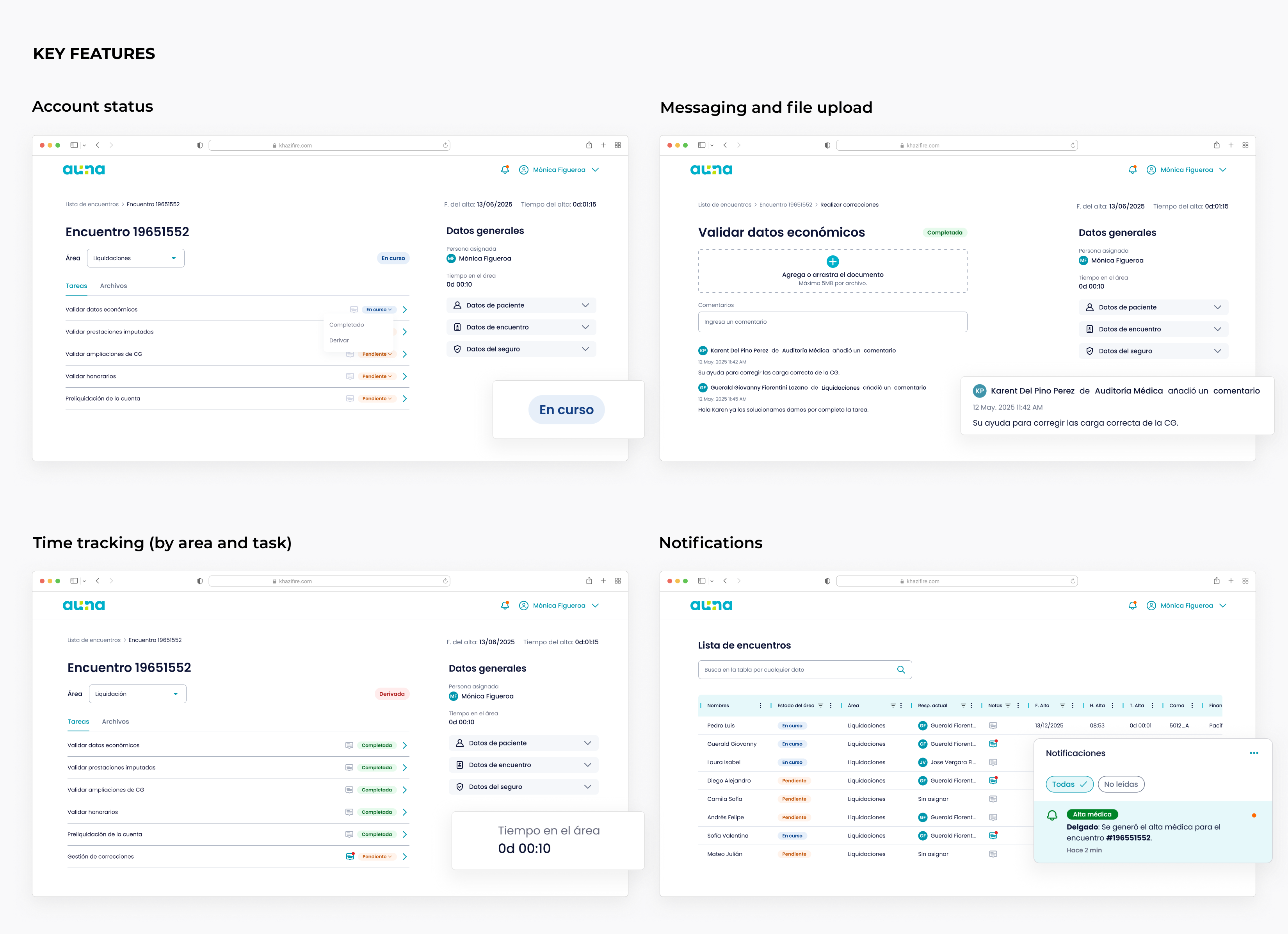 Image 4: MVP's Key features
Impact & Results
• Efficiency was increased in more than 11 operational and medical areas, impacting more than
4,500 inpatient accounts per month.
• Increased visibility into task ownership, process status, and the time each department spends
on tasks—data that was previously untracked (or was unreliable).
• Create a shared language and greater accountability between teams, reducing
blame-shifting.
• Provide managers with actionable insights on delay causes, enabling early intervention.
• Establish groundwork for continuous improvement in billing cycle efficiency.