Auna
Postoperative patient follow-up
UX Strategy | Conversational Design
2025
Context & Challenge
Post-surgical follow-up was managed through a
fragmented and manual workflow across Excel and Access. Patient data had to be manually
exported, cleaned, and transferred between staff members before nurses could begin calling
patients.
Because the hospital did not have enough staff to handle the volume of
follow-ups, many calls were delayed or never completed. In addition, the data used for outreach
was often outdated. As a result, nurses sometimes contacted patients who were still hospitalized
or had passed away, creating distressing experiences for families and revealing critical
communication gaps within the hospital.
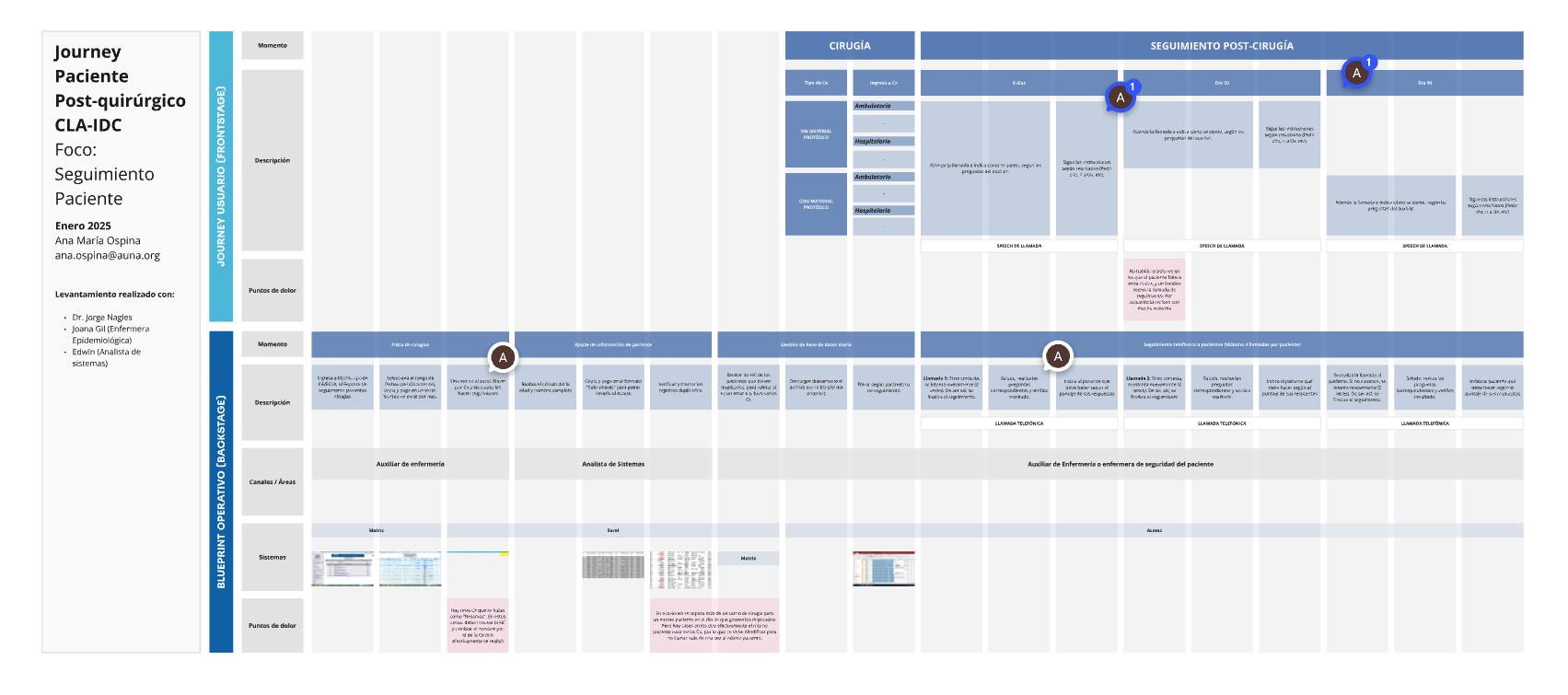 Image 1: As Is follow-up patient journey (Happy to walk through the
details in a call.)
Image 1: As Is follow-up patient journey (Happy to walk through the
details in a call.)
Main Objective
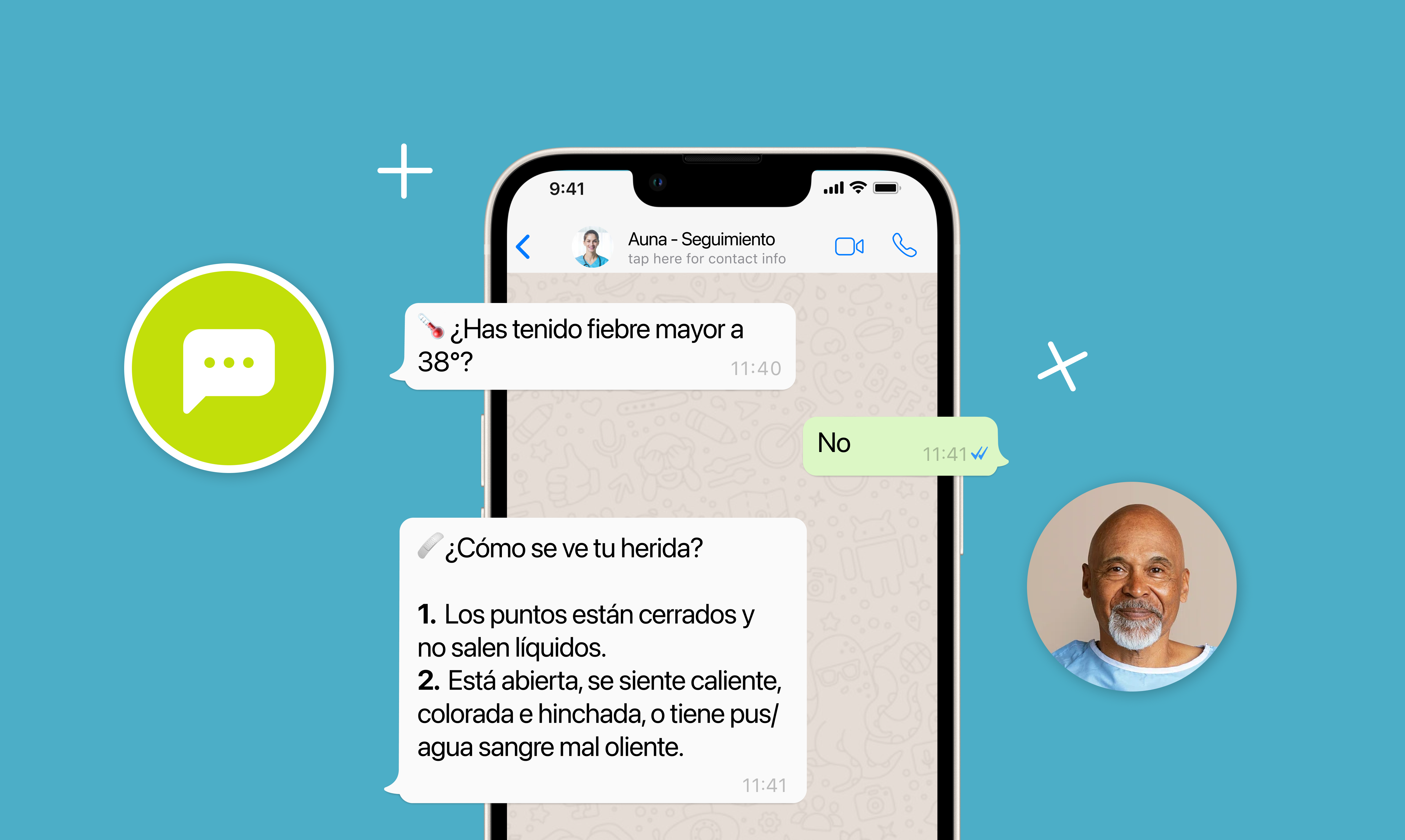
The goal was to design a scalable follow-up system that automated post-surgical outreach, reduced the workload on nursing staff, ensured timely and sensitive patient contact, and improved visibility into follow-up status.
My Role & Responsibilities
• Mapped the end-to-end follow-up workflow and identify operational and end users experience
pain points
• Facilitate alignment between clinical staff and IT analysts
• Design the patient communication experience to ensure clarity, empathy, and safety
• Assessed the chatbot platform’s capabilities, constraints, and integration possibilities to
design the conversational flows
 Image 2: Post-surgical follow-up conversational flow (Happy to walk
through the details in a call.)
Image 2: Post-surgical follow-up conversational flow (Happy to walk
through the details in a call.)
Impact & Results
• Reduced the number of manual steps required to prepare follow-up lists
• Increased the number of patients successfully reached after surgery
• Reduced the risk of distressing situations caused by outdated patient information
• Created a scalable patient follow-up experience